
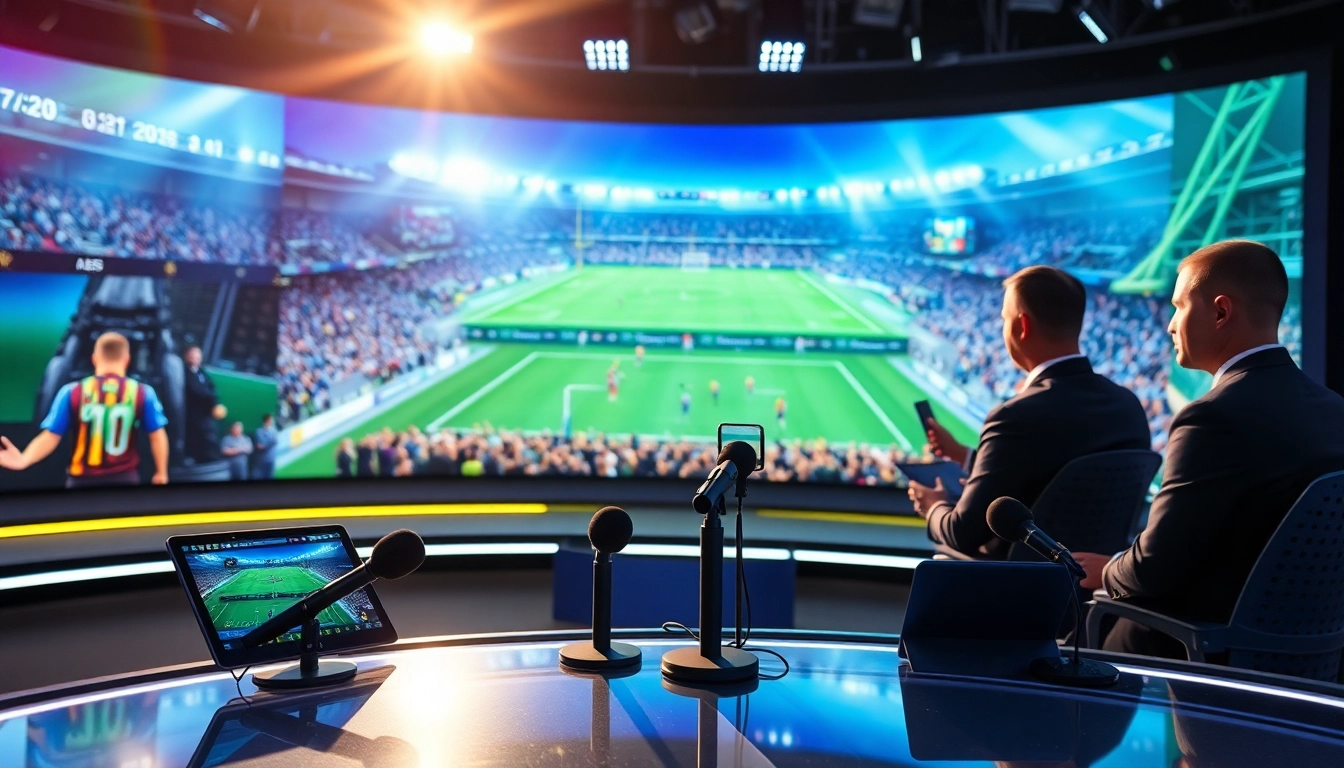
Understanding Sports Broadcasting
What is Sports Broadcasting?
Sports Broadcasting refers to the live transmission and coverage of sports events over various media platforms, including television, radio, and digital channels. This field encompasses the actual broadcast of games, commentary by sports analysts, and various related content aimed at fans and audiences. With the evolution of technology and viewer preferences, Sports Broadcasting has become a significant segment of the media landscape, catering to billions of sports enthusiasts across the globe.
History of Sports Broadcasting
The origins of sports broadcasting can be traced back to the early 20th century when the advent of radio allowed play-by-play commentary of games to reach audiences en masse. By the 1930s, radio broadcasts of sports events became commonplace, significantly increasing the popularity of sports. The introduction of television in the mid-20th century revolutionized how audiences experienced sports, creating a more immersive experience. From the first televised baseball game in 1939 to the advent of premium cable channels that began broadcasting live sports 24/7, sports broadcasting has continually evolved with technological advancements to enhance viewer engagement.
Types of Sports Broadcasting
Sports broadcasting can be categorized into several forms, including:
- Live Broadcasting: Transmitting sports events in real-time, allowing fans to experience the action as it happens.
- Highlights Shows: Recaps of games focusing on important moments and player performances.
- Commentary and Analysis: Expert discussions and breakdowns of games before, during, and after events.
- Documentaries and Features: In-depth pieces profiling athletes, teams, and significant sports events.
- Social Media Broadcasting: Engagement through platforms like Twitter, Facebook, and Instagram, where updates, clips, and live commentary occur.
Core Technologies in Sports Broadcasting
Streaming Technologies Explained
The rise of streaming platforms has changed the landscape of sports broadcasting, allowing fans to watch their favorite events on various devices. Technologies such as Adaptive Bitrate Streaming, which adjusts video quality based on the user's internet speed, enhance viewer experience. Cloud-based servers enable seamless content delivery, while innovations in compression technology allow for high-quality streams without the need for excessive bandwidth. Furthermore, virtual reality and 360-degree video technologies are beginning to find their place in this industry, providing unparalleled immersive experiences.
Interactivity and Fan Engagement
Modern sports broadcasting is highly interactive, thanks to advancements in technology. Real-time statistics, polls, and social media integrations create a richer viewing experience. Fans can now participate in live chats, vote on moments of the game, and interact with hosts and analysts. Enhanced graphics and augmented reality features provide additional layers of information, improving understanding of complex plays. This interactivity boosts fan engagements and fosters a sense of community among viewers.
Role of Augmented Reality
Augmented reality (AR) has emerged as a game-changer in sports broadcasting, allowing for the inclusion of rich, visual data during live broadcasts. Sports networks can overlay statistics, player information, and graphical replays directly onto the field or court during a broadcast. This integration of AR not only enhances storytelling but also deepens viewer engagement by providing contextual insights that were previously unavailable. Examples include real-time player tracking data and injury reports displayed directly on-screen.
Challenges in Sports Broadcasting
Managing Live Broadcasts
Live broadcasts come with unique challenges, such as unpredictable events like weather disruptions and technical failures. Ensuring that content is transmitted without interruption requires sophisticated backup systems and precise timing. Managing a live event also requires coordination between numerous stakeholders—producers, directors, camera operators, and commentators—each playing a critical role in delivering a seamless experience to viewers.
Legal Issues and Rights Management
In the world of sports broadcasting, navigating legal landscapes is crucial. Copyright issues, broadcasting rights, and licensing agreements can be complex and vary widely by region and sport. Broadcasters must ensure that they have the appropriate rights to air events which can involve negotiations with leagues and governing bodies. Failing to adhere to these legal requirements can result in heavy fines and loss of broadcasting privileges.
Adapting to Technological Changes
The fast pace of technological advancements presents both opportunities and challenges for sports broadcasters. Staying updated with new tools and technologies, such as AI-driven analytics and machine learning for audience insights, is essential. Broadcasters that resist change risk falling behind competitors who leverage new technologies to improve content delivery and viewer engagement. Continuous training and adaptation are necessary to keep pace with innovations and viewer demands.
Best Practices for Effective Sports Broadcasting
Developing Engaging Content
Creating content that resonates with viewers is vital for successful sports broadcasting. This includes not only high-quality video streams but also engaging commentary, expert analysis, and storytelling that draws viewers in. Collaborating with content creators, sports analysts, and former athletes can help to produce authentic narratives that captivate audiences. Personal stories connected to sports events often lead to deeper emotional engagement from viewers.
Utilizing Analytics for Improvement
Data analytics is an invaluable tool in sports broadcasting. By analyzing viewer demographics, engagement rates, and content performance, broadcasters can adapt their strategies to better serve their audiences. Insights derived from analytics can inform decisions about programming schedules, marketing tactics, and even content creation. Emphasizing viewer feedback helps broadcasters continuously improve and maintain relevance in a competitive market.
Enhancing Viewer Experience
Enhancing the viewer experience goes beyond just delivering a broadcast; it involves creating an all-encompassing atmosphere that keeps fans returning for more. This could include features such as personalized viewing options, multiple camera angles for games, and access to exclusive behind-the-scenes content. Offering interactive features like polls and Q&A sessions with commentators can also increase viewer involvement, creating a more engaged and loyal audience.
The Future of Sports Broadcasting
Emerging Trends in Broadcasting
The landscape of sports broadcasting is rapidly evolving, with several trends shaping its future. Personalized content curation, where broadcasts are tailored to individual viewer preferences, is becoming more prevalent. The rise of niche streaming platforms dedicated to specific sports or leagues reflects the diversification of consumption habits. Additionally, the integration of eSports into mainstream sports broadcasting is a growing trend that indicates a shift towards more diverse content offerings.
Impact of 5G Technology
The rollout of 5G technology promises to further revolutionize sports broadcasting by enabling faster and more reliable data transmission. This will allow for higher quality streams with lower latency, enhancing live viewing experiences. Additionally, 5G will make it feasible for broadcasters to provide increased interactivity and immersive experiences, such as augmented reality layers integrated into broadcasts, offering audiences a front-row experience from the comfort of their homes.
Predictions for the Next Decade
Looking ahead, we can expect a significant transformation in sports broadcasting. The merging of traditional media with digital platforms will continue, influenced by the preferences of younger audiences who favor online content. Interactive and immersive experiences will become the norm, as fans increasingly seek ways to participate in the viewing experience. Furthermore, innovations in AI and machine learning will continue to enhance personalized content delivery, ensuring that sports broadcasting remains relevant and engaging in an ever-changing media landscape.
FAQs about Sports Broadcasting
What skills are essential for a sports broadcaster?
Key skills include strong communication, analytical ability, adaptability, and a deep understanding of sports and their rules. Public speaking and critical thinking are also vital for effective on-air presence.
What are the major revenue sources for sports broadcasting?
The primary revenue streams are advertising, subscription fees, and sponsorship deals. Additionally, broadcasting rights sold to networks and digital platforms also contribute significantly.
How has digital media impacted sports broadcasting?
Digital media has increased accessibility for audiences, enabling streaming on various devices. It has also fostered interactivity and engagement through social media and mobile apps.
What types of sports are most popular for broadcasting?
Popular sports for broadcasting include football, basketball, soccer, baseball, and motorsports, but niche sports are also gaining visibility due to diversified viewership.
How do broadcasters ensure fair coverage of all teams?
Broadcasters strive for balanced coverage by showcasing highlights from multiple teams, scheduling equitable airtime, and using analytics to meet audience preferences while maintaining neutrality.