

Understanding the Basics of Soundproofing
Soundproofing is a crucial aspect of modern construction and interior design, yet many people remain unaware of its importance and complexity. In environments where noise pollution can disrupt daily activities, effective Soundproofing not only enhances comfort but can also contribute to productivity and peace of mind. This article will explore the principles of soundproofing, the materials available, DIY solutions, professional services, and how to evaluate their effectiveness.
What is Soundproofing?
Soundproofing refers to the techniques and materials utilized to reduce sound transmission between spaces. The objective is to block or absorb sound waves to create a quieter environment, whether it be in residential, commercial, or industrial settings. Effective soundproofing can minimize issues such as noise from traffic, construction, or even conversations from adjacent rooms.
Key Soundproofing Principles
Understanding the core principles of soundproofing is essential to successfully implementing effective solutions:
- Mass: Heavier materials can better block sound waves. For instance, concrete and lead are more effective than wood or drywall.
- Dissipation: Materials that dissipate sound waves, such as acoustic foam, can reduce sound transmission by converting sound energy into heat.
- Decoupling: This technique involves separating layers of materials to prevent sound from traveling efficiently through them. For example, staggered stud walls can minimize sound transfer.
- Absorption: Utilizing absorptive materials, like carpets and drapes, can help reduce echo and reverberation.
Types of Noise Reduction
Noise reduction can be categorized into various types:
- Airborne Noise: This includes sounds transmitted through the air, such as conversations and music.
- Impact Noise: Normally caused by physical impacts like footsteps or the noise of objects being dropped, this requires specific isolation strategies.
- Vibration Noise: Sound generated by vibrations in structures, often addressed through sound barriers and mats.
Materials Used in Soundproofing
Choosing the right materials is a crucial step in effective soundproofing. Various solutions can be strategically employed depending on the type of noise and the environment.
Insulation Products
Insulation plays a vital role in soundproofing. Here are some common insulation products:
- Fiberglass Insulation: Popular for its thermal and sound absorption qualities, it’s often used in walls and ceilings.
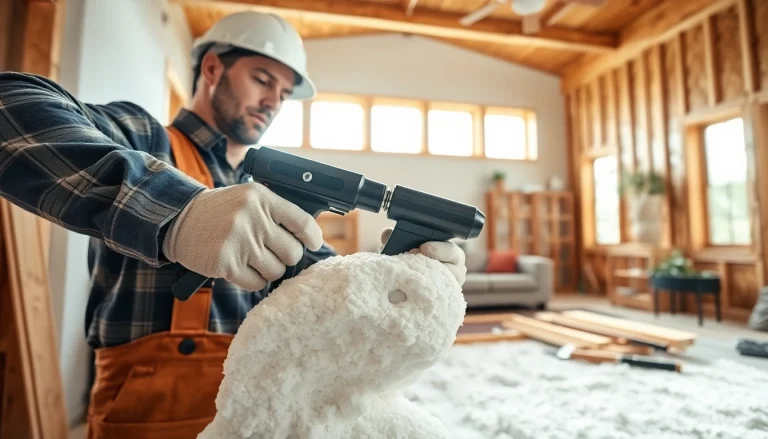
- Foam Insulation: Available in various shapes, these panels can effectively reduce airborne sounds due to their porous structure.
- Mineral Wool: Known for its excellent soundproofing capabilities, mineral wool is effective in heavy-duty applications.
Acoustic Panels and Treatments
Acoustic panels are designed specifically to absorb sound and reduce echo in a space. Here are key types of panels:
- Fabric-Wrapped Panels: Typically found in auditoriums, these panels offer a broad range of aesthetic designs and sound absorption capabilities.
- Cloud Panels: Suspended from ceilings, these reduce echo in large spaces effectively.
- Bass Traps: Specially designed to absorb low-frequency noise, ideal for home theaters or recording studios.
Sound Barrier Solutions
Sound barriers are structural elements aimed at blocking sound transmission. These include:
- Mass Loaded Vinyl (MLV): A heavy, flexible material that blocks sound waves and can be added to walls or ceilings.
- Soundproof Curtains: Designed to reduce noise from outside, these curtains combine aesthetic appeal with functionality.
- Drywall with Soundproofing Additives: This drywall incorporates special materials to enhance its sound-blocking capabilities.
DIY Soundproofing Techniques
For those looking to tackle soundproofing independently, several DIY techniques can be effective and budget-friendly.
Installing Soundproofing Materials
When installing soundproofing materials, consider the following steps:
- Identify areas where noise is problematic, such as rooms adjacent to busy streets or loud neighbors.
- Choose the appropriate soundproofing material based on the type of noise and your budget.
- Follow manufacturer instructions for installation, ensuring that materials are properly fitted and sealed to avoid any gaps.
Home Modifications for Better Soundproofing
In addition to installing specific materials, simple home modifications can significantly improve soundproofing:
- Sealing Cracks: caulking around windows, doors, and baseboards can significantly reduce noise leakage.
- Adding Rugs: Thick rugs can help absorb sound, especially in rooms with hard flooring.
- Furniture Placement: Strategically placing bookshelves or sofas against walls can add mass to the barriers against sound.
Common Mistakes in DIY Soundproofing
While DIY soundproofing can be effective, it is not without pitfalls. Here are common mistakes to avoid:
- Overlooking Gaps: Even small gaps can significantly reduce the effectiveness of soundproofing. Ensure all seams and joints are properly sealed.
- Using Inadequate Materials: Not using materials that are specifically designed for soundproofing can lead to poor results.
- Ignoring Building Codes: Ensure that any modifications meet local building codes and regulations.
Professional Soundproofing Services
Hiring professionals for soundproofing can yield significant benefits, especially for complex sound issues. Here’s what to consider:
Benefits of Hiring Experts
Professional soundproofing services offer advantages including:
- Expert Assessments: Professionals can thoroughly evaluate spaces and recommend tailored solutions.
- Quality Materials: Access to high-quality products and advanced installation techniques that may not be available to DIY enthusiasts.
- Efficiency: Experts can complete projects more quickly and effectively, saving time and potential rework costs.
Cost Considerations for Soundproofing
Understanding the cost of soundproofing is critical for budgeting. Factors influencing costs include:
- Type of Structure: Different materials required for walls, floors, or ceilings will have varying costs.
- Square Footage: Larger spaces may incur higher material and labor costs.
- Complexity of Installation: The more complex the soundproofing needs, the higher the labor costs.
Choosing the Right Service Provider
Selecting a proficient soundproofing service is crucial. Key considerations include:
- Experience: Look for providers with a proven track record in soundproofing projects.
- Certifications: Ensure providers are certified and adhere to industry standards.
- Reviews and References: Seek testimonials or case studies from previous clients to gauge satisfaction.
Measuring the Effectiveness of Soundproofing
Once soundproofing measures have been implemented, it’s important to assess their effectiveness. Here’s how:
How to Evaluate Soundproofing Solutions
Evaluate soundproofing effectiveness by:
- Pre- and Post-Assessment: Measure sound levels before and after soundproofing using a sound level meter.
- Listener Feedback: Ask occupants about the perceived reduction in noise levels to supplement quantitative data.
Performance Metrics to Consider
When assessing performance, consider metrics such as:
- Sound Transmission Class (STC): A higher STC rating indicates better sound insulation.
- Impact Insulation Class (IIC): Used to measure floor-to-floor sound isolation.
Continuous Improvement in Soundproofing Strategies
Soundproofing is not a one-time effort; ongoing evaluation and enhancement are necessary. Consider:
- Regular Reviews: Periodically reassess soundproofing effectiveness and make updates as needed.
- Emerging Technologies: Stay informed on new materials and techniques that may further enhance soundproofing.
FAQs About Soundproofing
Can soundproofing completely block noise?
No, soundproofing can significantly reduce noise levels but may not completely block all sound, especially in high-volume situations.
How long does soundproofing last?
Soundproofing materials can last for decades if properly installed and maintained, although effectiveness may diminish over time.
Is DIY soundproofing as effective as professional methods?
While DIY can be effective, professional methods often employ advanced materials and installation techniques yielding better results.
What is the cost range for soundproofing a room?
Costs can range widely based on materials and space size, typically ranging from a few hundred to several thousand dollars.
Can I soundproof a rental apartment?
Yes, use removable soundproofing options like curtains, rugs, and acoustic panels to minimize noise without permanent alterations.