

Understanding the Basics of Soundproofing
What is Soundproofing?
Soundproofing is a set of techniques and construction methods utilized to reduce the transmission of sound from one area to another. This is particularly important in environments where noise control is essential, such as homes, offices, and studios. By employing appropriate materials and structural changes, soundproofing aims to minimize the effects of noise pollution, enhance privacy, and create a more comfortable atmosphere. Understanding these principles allows individuals to make informed choices about Soundproofing their spaces effectively.
Principles of Soundproofing Explained
The effectiveness of soundproofing is rooted in two main principles: mass and decoupling. Mass is critical because sound waves require a certain density of materials to travel through. Heavier and denser materials, like concrete or lead, are effective at blocking sound. Decoupling, on the other hand, involves creating gaps between surfaces, which disrupts the path of sound waves. This principle can be utilized in wall structures and ceilings to diminish sound transmission.
Common Soundproofing Materials
Various materials are favored in soundproofing applications, each serving different roles depending on their acoustic properties:
- Mass-Loaded Vinyl (MLV): A heavy, flexible material that is effective for sound blockage.
- Acoustic Foam: Used to absorb sound within a space, reducing reverberation and echoes.
- Soundproofing Drywall: Engineered with additional mass to help block sound transmission more effectively than standard drywall.
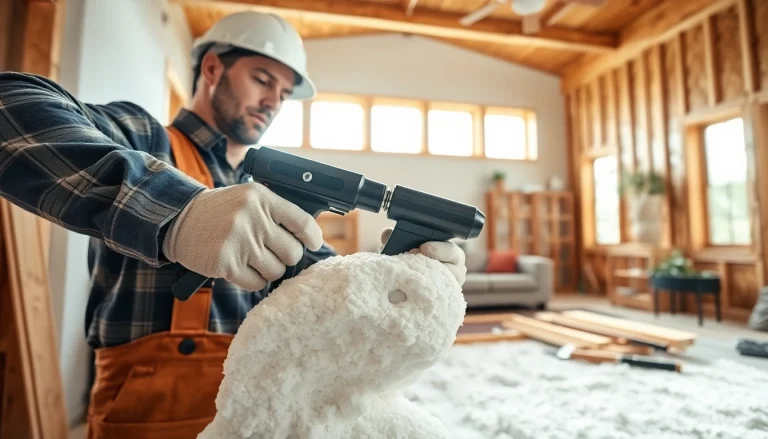
- Rockwool Insulation: A dense insulation material that provides excellent heat and sound insulation.
- Green Glue: A noise-proofing compound, used between layers of drywall to dampen sound vibrations.
Benefits of Effective Soundproofing
Improved Focus and Productivity
One of the most significant advantages of soundproofing is enhanced focus and productivity. In workplaces and home offices, loud noises can be distracting and lead to decreased efficiency. Soundproof environments allow individuals to concentrate better on tasks without interruptions, thus improving overall performance and satisfaction.
Enhanced Privacy and Comfort
Effective soundproofing not only keeps unwanted noise out but also maintains privacy within personal spaces. This is especially important in shared living situations or in office environments where sensitive discussions may occur. Comfort is also increased, as soundproofing can mitigate stress associated with noise pollution, leading to improved well-being.
Soundproofing in Different Environments
Soundproofing techniques vary depending on the environment:
- Residential: In homes, soundproofing materials can be used in bedrooms, living areas, and shared walls to promote tranquility.
- Commercial: Offices and retail spaces often use soundproofing to minimize distractions and enhance customer experiences.
- Studios: Music and recording studios require specialized soundproofing techniques to ensure high-quality audio without outside interference.
Soundproofing Techniques and Tools
DIY Soundproofing Methods
There are several DIY soundproofing methods that individuals can utilize to reduce noise effectively:
- Weather Stripping: Sealing gaps around doors and windows can prevent sound leakage.
- Heavy Curtains: Thick, heavy drapes can significantly dampen sound from outside.
- Bookcases: Filling walls with books or shelves can act as a sound barrier and absorb sound.
- Padded Rugs: Placing carpets or rugs on hardwood floors reduces sound reflection and transmission.
Professional Soundproofing Solutions
For those seeking a more robust solution, professional soundproofing services offer tailored approaches that might include:
- Installing specialized soundproofing materials.
- Conducting sound tests to measure noise levels before and after treatment.
- Implementing advanced techniques such as resilient channels and sound isolation clips.
Tools for Effective Soundproofing
Effective soundproofing often requires specific tools:
- Sound Level Meter: Measures decibels to assess current noise levels.
- Acoustic Panels: Used to absorb sound in various environments.
- Sealant Caulk: To seal any gaps that may lead to sound transmission.
- Drills and Hand Tools: Required for installing soundproofing materials and creating necessary structures.
Evaluating Soundproofing Performance
Measuring Sound Levels
The first step in evaluating soundproofing effectiveness is to measure sound levels in your environment. This can be accomplished using a sound level meter, which quantifies how much sound is present in decibels (dB). Understanding baseline sound levels helps in assessing the impact of soundproofing methods applied.
Assessing Material Efficiency
After implementing soundproofing solutions, it’s crucial to evaluate how well the materials perform. This can be done by repeating sound level measurements post-installation and investigating any changes in perceived noise. Each material’s effectiveness can be further assessed through established standards such as Sound Transmission Class (STC) ratings, which gauge the soundproofing capabilities of materials.
Adjustments for Optimal Soundproofing
Soundproofing is often an iterative process. If initial efforts do not significantly reduce noise, adjustments may be necessary. This could involve layering additional materials, re-evaluating gaps, or enhancing decoupling methods. Continuous evaluation and adjustments can yield a space optimized for reduced noise transmission.
Frequently Asked Questions about Soundproofing
How much does soundproofing typically cost?
Costs can vary widely based on the materials chosen and the scope of work involved. DIY methods provide budget-friendly options, while professional installations will naturally incur higher expenses.
Can soundproofing completely eliminate noise?
No, soundproofing significantly reduces noise but typically does not eliminate it entirely. The effectiveness varies with the materials used and the specific sound frequencies involved.
What materials are best for soundproofing?
Commonly recommended materials include mass-loaded vinyl, acoustic foam, and soundproofing drywall. Selection should depend on individual needs and the environment being treated.
Is soundproofing suitable for home theaters?
Yes! Effective soundproofing is essential for home theaters to enhance audio quality while minimizing external noise, providing an immersive viewing experience.
How long does soundproofing last?
With proper installation and maintenance, soundproofing materials can last for decades. Regular inspections ensure that the materials remain effective and functional over time.