

Understanding the Role of a Destination Photographer
In an ever-evolving world where wanderlust drives many to explore breath-taking landscapes, a Destination photographer emerges as an essential creator who captures moments in unique locales. Their role transcends simple photography; it encompasses the artistry of storytelling and the technical acumen to navigate various environments while meeting client needs. Let’s explore what it means to be a destination photographer, the skills required for success, and the pivotal role of storytelling in photography.
What Does a Destination Photographer Do?
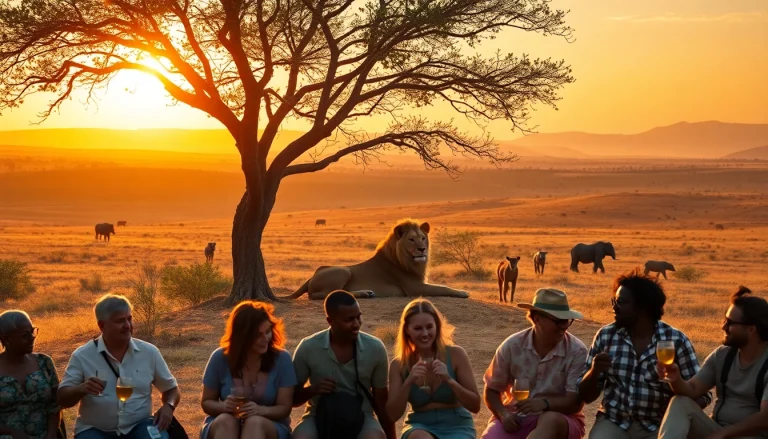
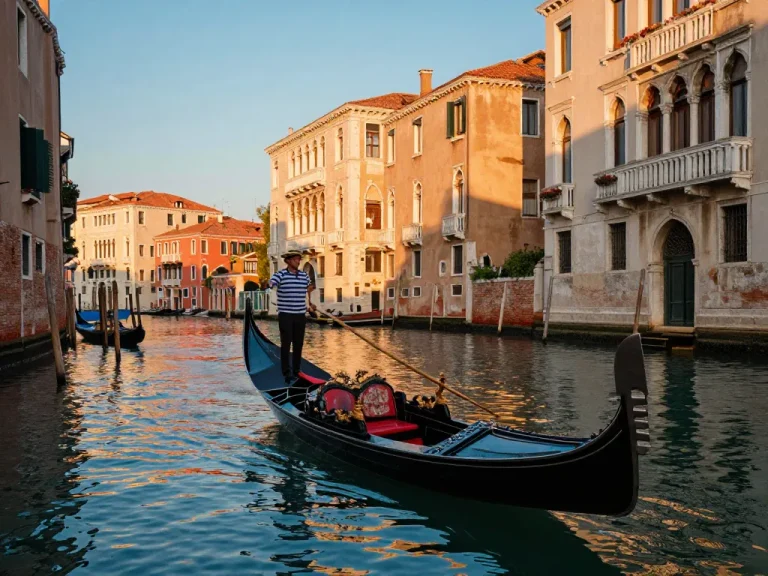
A destination photographer specializes in capturing images at specific locations, often away from their home base. Unlike traditional photographers who may have fixed studio setups, destination photographers travel to diverse settings, such as scenic beaches, historical monuments, or exotic cities. Their job extends beyond taking pictures; they curate an experience, anticipating the environment, atmosphere, and cultural context of their surroundings. They do everything from scouting locations before a shoot to liaising with clients and planning logistics, ensuring each moment is captured beautifully.
Key Skills Required for Success
Success as a destination photographer hinges on a variety of skills:
- Technical Proficiency: A strong command of photographic techniques, such as lighting, composition, and camera settings, is vital.
- Adaptability: The ability to adapt to different environments, weather conditions, and cultural sensitivities is crucial for capturing the perfect shot.
- Storytelling Ability: Crafting a narrative around the shoot enhances the emotional impact of the photography.
- Networking Skills: Building connections with local vendors, venues, and communities can open doors to unique opportunities.
The Importance of Storytelling in Photography
Storytelling goes beyond merely snapping pictures; it’s about weaving narratives through visuals. A destination photographer must encapsulate the essence of a locale while portraying the emotions and stories of their subjects. This requires sensitivity to the environment and an understanding of how various elements—lighting, composition, and cultural context—come together to form a cohesive story.
Choosing the Right Locations for Photography
Location selection is one of the most significant aspects of destination photography. The right backdrop can enhance the visual narrative and elevate the overall quality of the images. Here’s how photographers can choose ideal locations.
Evaluating Popular Destination Photography Spots
When considering popular destination photography spots, it’s essential to analyze the characteristics of each location. Factors to consider include natural beauty, historical significance, and accessibility. Photographers should also look for unique attributes that set certain locales apart, making them memorable and captivating for both clients and viewers.
Planning for Cultural Sensitivity in Various Locations
Cultural sensitivity is paramount in destination photography. Photographers must respect the traditions, customs, and aesthetics of the locations where they work. This includes understanding the do’s and don’ts of local customs, obtaining permissions where necessary, and being mindful of how their presence may impact the local community. A well-informed approach not only fosters goodwill but also enriches the narrative captured through the lens.
Logistical Considerations When Selecting a Site
Beyond aesthetic factors, practical logistics play a vital role in site selection. Photographers need to account for factors such as travel time, accommodation availability, accessibility of shooting locations, local weather patterns, and the potential for crowds. Being prepared with alternative plans will ensure a smooth shoot.
Mastering Techniques Specific to Destination Photography
To excel as a destination photographer, it is essential to master certain techniques that enhance travel photography. Let’s delve into some critical practices and essential gear.
Essential Gear for Traveling Photographers
When traveling for photography, the gear one carries can make a substantial difference. Essential equipment typically includes:
- Camera Body: A versatile camera body that excels in various lighting conditions is crucial.
- Lenses: A range of lenses, including wide-angle for landscapes and close-ups for portraits, allows for creative flexibility.
- Tripod: A sturdy tripod is indispensable for long exposure shots, especially in low light.
- Portable Lighting: Carrying portable lighting equipment can assist in varied settings, ensuring flexibility in lighting conditions.
Capturing Emotion and Authentic Moments
One of the critical aspects of powerful photography is the ability to capture genuine emotions. A destination photographer should strive to create an environment where subjects feel comfortable and natural, allowing authentic moments to unfold. This can be achieved through effective communication before and during the shoot, creating rapport with clients, and remaining unobtrusive.
Using Environmental Elements to Enhance Photography
The unique characteristics of each location provide a wealth of opportunities to enhance photographs. Photographers should look for natural frames, interesting textures, and the play of light and shadow to create compelling compositions. Engaging the environment enhances every shot, making it more immersive and reflective of the destination’s essence.
Marketing Your Services as a Destination Photographer
Establishing a successful career as a destination photographer involves effective marketing strategies to showcase your work and services. Here are some vital components to consider.
Building a Compelling Portfolio
Your portfolio acts as a visual resume and is critical for attracting clients. It should showcase a diverse range of examples from different locations, styles, and subject matters, highlighting your skills and artistic vision. High-quality, professionally edited images will create a strong first impression and communicate your expertise.
Utilizing Social Media for Visibility
Social media platforms are invaluable for connecting with potential clients and showcasing your work. Regularly posting your images, engaging with followers, and utilizing targeted hashtags can significantly boost visibility. Behind-the-scenes content and storytelling through posts can enrich viewer engagement, drawing attention to your photography services.
Networking with Other Professionals in the Industry
Networking with fellow photographers, wedding planners, travel agencies, and local businesses enhances opportunities to collaborate and gain referrals. Attend industry events, workshops, and online forums to build relationships, share insights, and explore avenues for collaborative photography projects.
Common Challenges and Solutions for Destination Photographers
Alongside the numerous joys of being a destination photographer, challenges do arise. Here’s a closer look at some common issues and effective solutions.
Adapting to Different Weather Conditions
Weather can significantly impact a shoot. Being prepared with a flexible mindset and adapting to environmental changes can lead to unexpected yet beautiful results. Check weather forecasts beforehand and carry the essential gear, like umbrellas or protective covers for equipment, to ensure you are ready for changing conditions.
Managing Client Expectations in Unique Settings
Setting clear expectations with clients before the shoot is crucial. Discussing what can realistically be achieved, considering the chosen location’s constraints, helps align their visions with practical outcomes. A pre-shoot meeting or detailed package descriptions can guide clients in understanding timelines, locations, and potential shooting difficulties.
Dealing with Travel-Related Issues
Travel often comes with challenges such as delays and accommodation issues. To mitigate these problems, plan adequately and have contingency plans in place. Keeping a checklist of essential documents, bookings, and tools will help you stay organized and tackle unexpected obstacles smoothly.
Frequently Asked Questions
What is a destination photographer?
A destination photographer travels to capture images in unique locales, focusing on storytelling through visuals in diverse settings.
How can I choose the best locations for a shoot?
Consider travel accessibility, aesthetic value, cultural significance, and client preferences when selecting locations for photography.
What equipment do I need for destination photography?
Essential gear includes a versatile camera body, a range of lenses, a sturdy tripod, and portable lighting tools to handle various environments.
How do I market myself as a destination photographer?
Develop a compelling portfolio, utilize social media for visibility, and network with industry professionals to effectively market your services.
What are common challenges destination photographers face?
Challenges include adapting to inclement weather, managing client expectations, and dealing with unexpected travel issues. Planning can help mitigate these issues.